

[Updated for 2026]
Food and dairy manufacturers are under growing pressure to increase production flexibility while maintaining efficiency, product quality and regulatory compliance.
Changing consumer preferences, expanding product portfolios and demand for smaller batch sizes mean manufacturers need production processes that can adapt quickly without increasing downtime or operational complexity. For dairy manufacturers in particular, the growth of specialist dairy ingredients, milk powders, nutritional products and high-protein formulations is creating new demands on both manufacturing processes and equipment.
At the same time, food manufacturers are facing similar challenges around allergen management, frequent product changeovers and the need to maximise production efficiency. As a result, flexible manufacturing systems and dairy manufacturing equipment are becoming increasingly important for businesses looking to remain competitive in a rapidly evolving market.
Manufacturing Trends Driving Greater Production Flexibility in Food and Dairy
The food and dairy sectors continue to evolve as manufacturers respond to shifting consumer expectations, tighter regulations and increasing pressure to improve operational performance.
Growing Product Variety and Smaller Batch Sizes
Consumers are seeking products tailored to specific dietary requirements, nutritional needs and lifestyle choices. This has resulted in a growing range of products across both food and dairy manufacturing.
Within dairy production, growth in high-protein products, fortified milk powders, specialist dairy ingredients and nutritional blends is driving demand for more flexible manufacturing processes. At the same time, food manufacturers are expanding product portfolios to meet changing tastes and health-focused trends.
As product variety increases, manufacturers need systems capable of handling multiple recipes and varying batch sizes efficiently while maintaining product quality and throughput.
Balancing Flexibility and Hygiene
Maintaining high hygiene standards while increasing production flexibility remains a significant challenge.
As manufacturers produce a wider variety of products, efficient cleaning processes and effective allergen management become increasingly important. Facilities must be able to switch between production runs while minimising the risk of cross-contamination and maintaining compliance with food safety standards.
Achieving this balance requires manufacturing systems that support both operational flexibility and hygienic design.
Rising Pressure to Improve Efficiency
Increasing operating costs, labour shortages and supply chain pressures continue to drive the need for greater efficiency.
Manufacturers are looking to eliminate non-value-added activities such as excessive cleaning, waiting times and unnecessary product handling. Improving Overall Equipment Effectiveness (OEE) remains a priority as businesses seek to maximise output while maintaining product quality and consistency.
The Role of Dairy Manufacturing Equipment in Flexible Production
Production flexibility depends not only on manufacturing processes but also on the equipment used throughout the production environment.
Modern dairy manufacturing equipment can help manufacturers adapt to changing customer requirements while improving productivity, maintaining product quality and reducing operational inefficiencies.
Managing Multiple Recipes and Product Variants
Many dairy manufacturers now produce a broad range of products using shared facilities and equipment.
Flexible manufacturing systems enable producers to handle multiple recipes and formulations more efficiently, helping to simplify scheduling and reduce production bottlenecks. The ability to switch seamlessly between products is becoming increasingly important as product portfolios continue to grow.
Reducing Changeover Times
Frequent product changeovers can significantly impact production efficiency.
Equipment designed to support streamlined cleaning procedures and faster transitions between production runs can help minimise downtime and improve overall productivity. This enables manufacturers to respond more quickly to customer demand while maximising utilisation of production assets.
Maintaining Product Quality and Blend Homogeneity
For many food and dairy applications, maintaining blend consistency is essential.
Powders and dry ingredients can be susceptible to segregation during handling, storage and discharge. Advanced powder handling technologies help preserve blend homogeneity, ensuring consistent product quality and reducing the risk of waste, rejected batches and customer complaints.
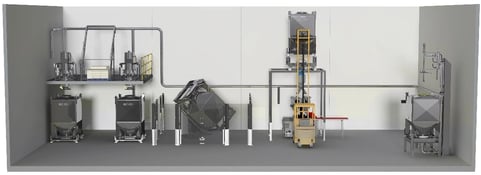
What Food and Dairy Manufacturers Need to Know
Manufacturers need to understand both their current production requirements and their long-term business objectives.
The trend towards smaller batch sizes, increased product variety and more customised formulations is likely to continue. Investing in manufacturing systems that offer flexibility today while allowing for future expansion can help businesses remain agile and competitive.
Process efficiency also remains critical. Systems that reduce cleaning requirements, support faster changeovers and improve material handling can help manufacturers improve productivity while maintaining high-quality standards.
Real-World Production Flexibility Challenges
Many food and dairy manufacturers face common challenges related to powder handling, product consistency and downstream processing.
One example is the production of 3-in-1 coffee and tea beverages, where powder segregation and uncontrolled discharge can lead to inconsistent product quality and variable pack weights. These issues can affect operational efficiency as well as customer satisfaction and brand reputation.
To address these challenges, manufacturers increasingly seek technologies that can maintain blend integrity and deliver controlled, reliable material flow throughout the production process.
Supporting High-Growth Food and Dairy Applications
Demand continues to rise across a number of food and dairy sectors, including functional foods, nutritional powders, specialist dairy ingredients and nutraceutical products.
These applications often involve multiple recipes, numerous ingredients and varying batch sizes, making production flexibility especially important. Maintaining blend homogeneity, ensuring traceability and achieving consistent product quality can become increasingly complex as product portfolios expand.
Flexible manufacturing systems enable manufacturers to adapt quickly to changing market requirements while maintaining efficiency and quality standards. This helps businesses support growth without compromising operational performance.
Optimising Manufacturing for the Future
As food and dairy markets continue to evolve, manufacturers need production systems that provide both flexibility and efficiency.
Whether managing smaller batch sizes, responding to changing consumer demand or expanding product portfolios, businesses must be able to adapt without compromising quality or productivity. Flexible manufacturing solutions and dairy manufacturing equipment that support efficient changeovers, reliable powder handling and scalable production can help manufacturers meet today's challenges while preparing for tomorrow's opportunities.
By investing in systems designed to improve production flexibility, food and dairy manufacturers can increase efficiency, maintain product quality and position themselves for long-term success in an increasingly competitive marketplace.
Frequently Asked Questions About Food and Dairy Manufacturing Challenges
How can food and dairy manufacturers reduce downtime during product changeovers?
Reducing downtime requires a combination of efficient processes and equipment designed for rapid cleaning and product transitions. Flexible manufacturing systems can help minimise changeover times, improve production scheduling and increase overall equipment utilisation.
How can dairy manufacturers manage multiple product lines more efficiently?
As dairy product portfolios expand, manufacturers need systems capable of handling different recipes, batch sizes and ingredients without creating production bottlenecks. Flexible dairy manufacturing equipment can help streamline operations and improve responsiveness to customer demand.
How can manufacturers prevent powder segregation during production?
Powder segregation can occur during storage, transfer and discharge, resulting in inconsistent blends and reduced product quality. Equipment and handling systems designed to maintain mass flow and blend homogeneity can help preserve product consistency throughout the manufacturing process.
How can production flexibility improve manufacturing efficiency?
Production flexibility enables manufacturers to respond more quickly to changing customer requirements, accommodate varying order sizes and reduce production downtime. This can improve productivity, enhance asset utilisation and support more efficient manufacturing operations.
What are the biggest challenges facing dairy manufacturers today?
Many dairy manufacturers face challenges including product diversification, shorter production runs, strict hygiene requirements, increasing operational costs and the need to maintain consistent product quality. Flexible production systems can help address these challenges while supporting future growth.
How can food and dairy manufacturers reduce product waste?
Improving material handling, preventing segregation and maintaining process consistency can help reduce waste throughout production. Efficient manufacturing equipment also helps minimise product losses during transfer, blending and discharge operations.
What should manufacturers look for when investing in dairy manufacturing equipment?
Key considerations include production flexibility, scalability, cleaning efficiency, hygiene standards, product quality protection and long-term operational performance. Equipment that can adapt to changing production requirements is often better positioned to deliver value over time.
If you would like to find out more about flexible food production and how to optimize your manufacturing process and improve product quality, please get in touch.
